Preparing your experience
The Syrian Ministry of Interior announced an unprecedented expansion of powers under the guise of restructuring, merging all security agencies under a single ministry led by a figure with radical affiliations previously under U.S. sanctions.
PUBLISHED
May 25, 2025
READ TIME
2 min read
SOURCE
Dr. Ed Kh
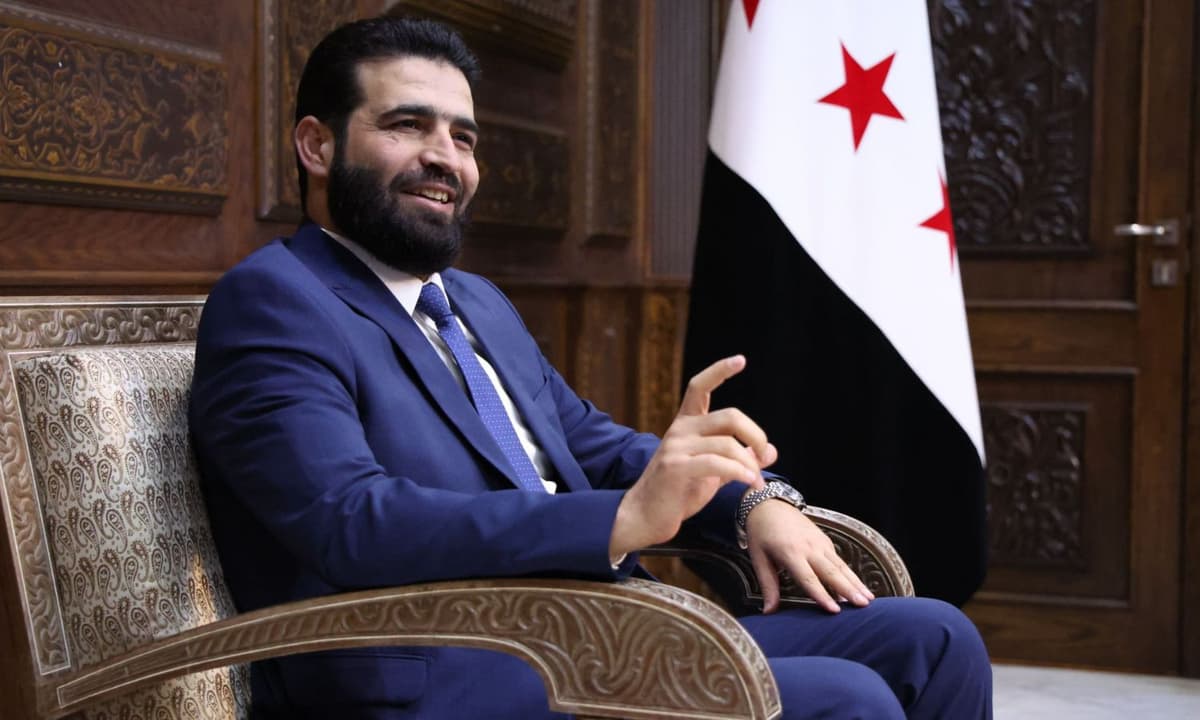
In a surprising move, the Syrian Ministry of Interior announced an unprecedented expansion of its powers under the guise of "restructuring and developing security agencies." Internal security, police, border guards, and counter-terrorism were all merged under a single ministry. Anas Khattab, known as "Abu Ahmad Hudood," was appointed to lead this ministry — a figure with radical affiliations who had previously been under U.S. sanctions.
The greatest concern lies in the new appointments made by Anas Khattab. Radical jihadist figures have been placed in senior security positions, raising serious questions about Syrias future. These appointments exclude any representation from Syrias minority groups, signaling a clear retreat from promises to safeguard the rights of all Syrian communities.
There are strong indications of a plan to transform the Syrian army into a jihadist, Salafist force aligned with extremist organizations like al-Qaeda. This step threatens the stability of the country and undermines the national army that was once a unifying force for Syria.
Increasing reports from inside Syria confirm that repression, intimidation, and violence have become part of daily life. Kidnappings, killings, and arbitrary arrests are now commonplace under the leadership of these new security figures. With the broad powers granted to them, there is serious concern that they will exploit their position to control upcoming elections — whether for the Peoples Assembly, local councils, or municipal bodies.
Syria faces a real danger today, as the situation appears to be heading in the same direction as under the previous regime. With these appointments and repressive policies, Syria is on the verge of losing any hope for justice or national unity — potentially allowing jihadist groups to tighten their grip on the countrys key institutions.
