Please wait while we prepare your experience
A memorandum by the Western Syria Alliance assessing the security risks of engaging with the de facto authority in Syria and its potential implications for the security of international partners.
Published
December 14, 2025
Read Time
9 min read
Author
Dr. Sarah Al-Ali
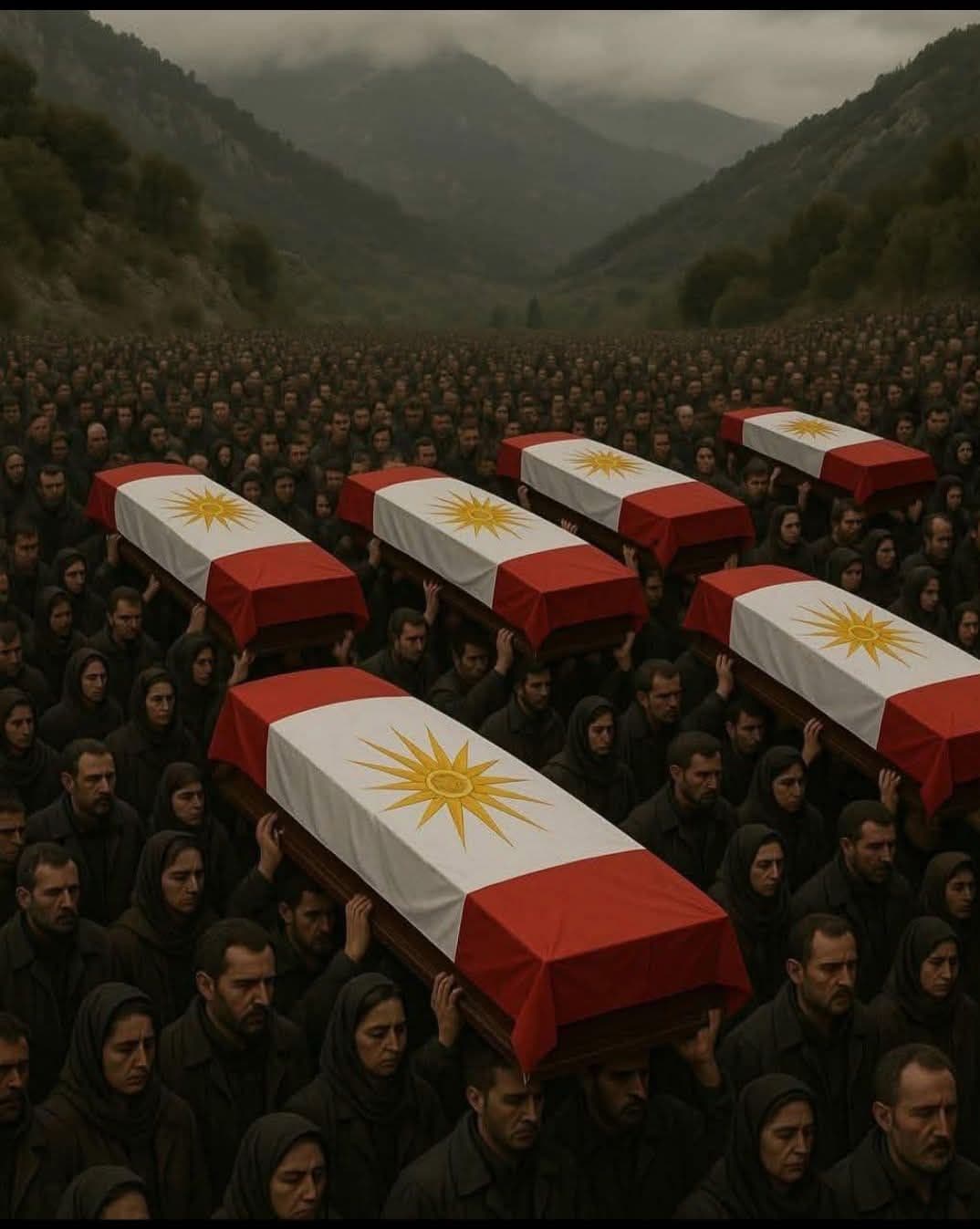
This memorandum reviews alarming security indicators that emerged following a recent suicide operation in Syria, manifested in public celebrations by jihadist groups affiliated with the de facto authority — including the raising of flags belonging to internationally designated terrorist organizations and the promotion of the attack as a "jihadist act."
Available data indicates the continued adoption of a violent takfiri doctrine within these formations, raising serious risks to the security of American and European delegations, and undermining any assumption that these groups can serve as reliable security or political partners.
The memorandum concludes that investing in civilian, secular, and moderate forces represents a safer and more sustainable option for protecting Western interests and achieving regional stability.
In the aftermath of the recent suicide operation, coordinated celebratory displays were observed at multiple military and civilian sites under the control of jihadist groups affiliated with the de facto authority in Syria.
These displays included collective chanting, the raising of ISIS and Jabhat al-Nusra flags in military camps and populated areas, and mobilizing rhetoric that conferred religious legitimacy upon violence.
These developments come in the context of growing international efforts to reassess mechanisms of engagement with emerging local authorities in Syria — for security, political, and economic purposes.
1. Continuity of Extremist Doctrine Despite cosmetic changes in public discourse, the takfiri doctrinal structure remains embedded within the controlling groups, and manifests clearly in popular and military reactions to violent operations.
2. Penetration of Extremist Elements into "Official" Apparatuses Documented evidence indicates that perpetrators of attacks targeting civilians, places of worship, and American citizens were affiliated with security agencies or formations currently classified within the "General Security" apparatus.
3. Systematic Pattern of Violence Against Minorities Events in the Syrian coast, Suwayda, and Homs reflect a recurring pattern of violations that goes beyond "individual excesses" and points to an environment of complete impunity.
4. Direct Risks to International Partners In the absence of reliable mechanisms for ideological vetting of elements operating within these systems, the security of American or European delegations cannot be guaranteed — whether in official visits or technical and service cooperation frameworks.
| Option | Assessment |
|---|---|
| 1. Maintain current engagement without conditions | High risk — short-term benefits only |
| 2. Condition future engagement on strict requirements | Including dismantling extremist doctrine, accountability for violations, and independent security guarantees |
| 3. Redirect support toward moderate civilian forces | Back secular, pluralist entities committed to international law and capable of providing security partnership |
Current evidence confirms that attempting to "rehabilitate" groups with deeply entrenched jihadist-takfiri structures carries serious strategic risks.
Adopting a more cautious approach — one based on supporting moderate civilian forces — is better aligned with the long-term security and economic interests of the United States and the European Union, and reduces the likelihood of repeating the cycles of violence the region has witnessed in recent years.
Western Syria Alliance December 14, 2025
